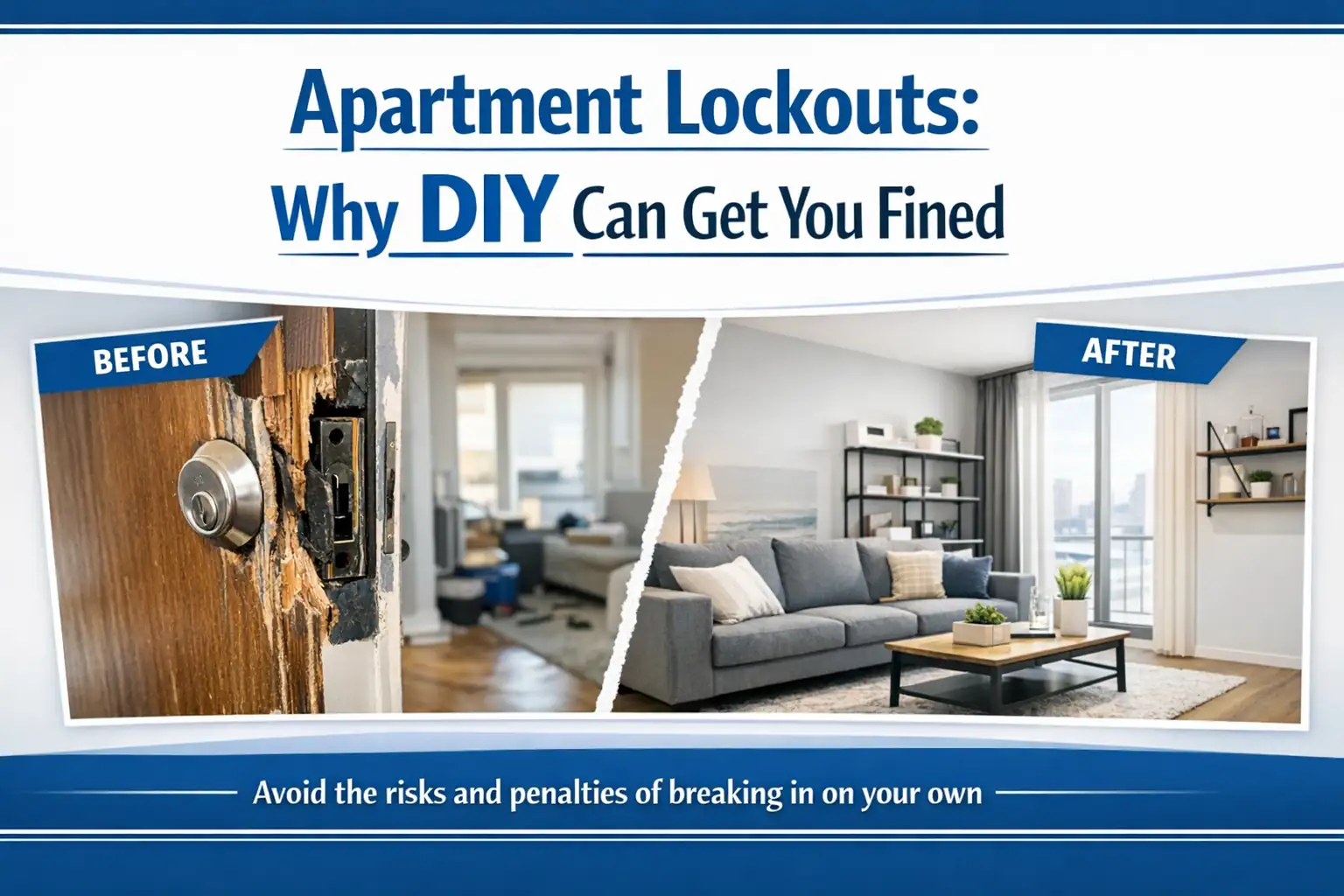

Apartment lockouts are something many renters only truly understand after experiencing the consequences firsthand. Getting locked out can feel urgent, frustrating, and even embarrassing, but trying DIY entry methods often makes things worse. What starts as a simple lockout can quickly turn into lease violations, costly repair charges, or even legal trouble. Many situations escalate further, leading to damaged doors, emergency access issues, or even water-related problems cases professionals are frequently called in to fix after the damage is already done.
What Causes Apartment Lockouts in the First Place?
Apartment lockouts usually happen during everyday routines. Lost keys, keys left inside, broken locks, or doors that auto-lock are the most common triggers. In multi-unit buildings, shared entry systems, worn hardware, and misaligned doors also contribute.
Many apartment complexes install high-security or landlord-controlled locks. These systems are designed to prevent unauthorized entry, which means even tenants can’t legally bypass them without approval. According to the U.S. Department of Housing and Urban Development, tenants are responsible for avoiding property damage and complying with access rules outlined in their lease.
Common DIY Methods Renters Try During Lockouts
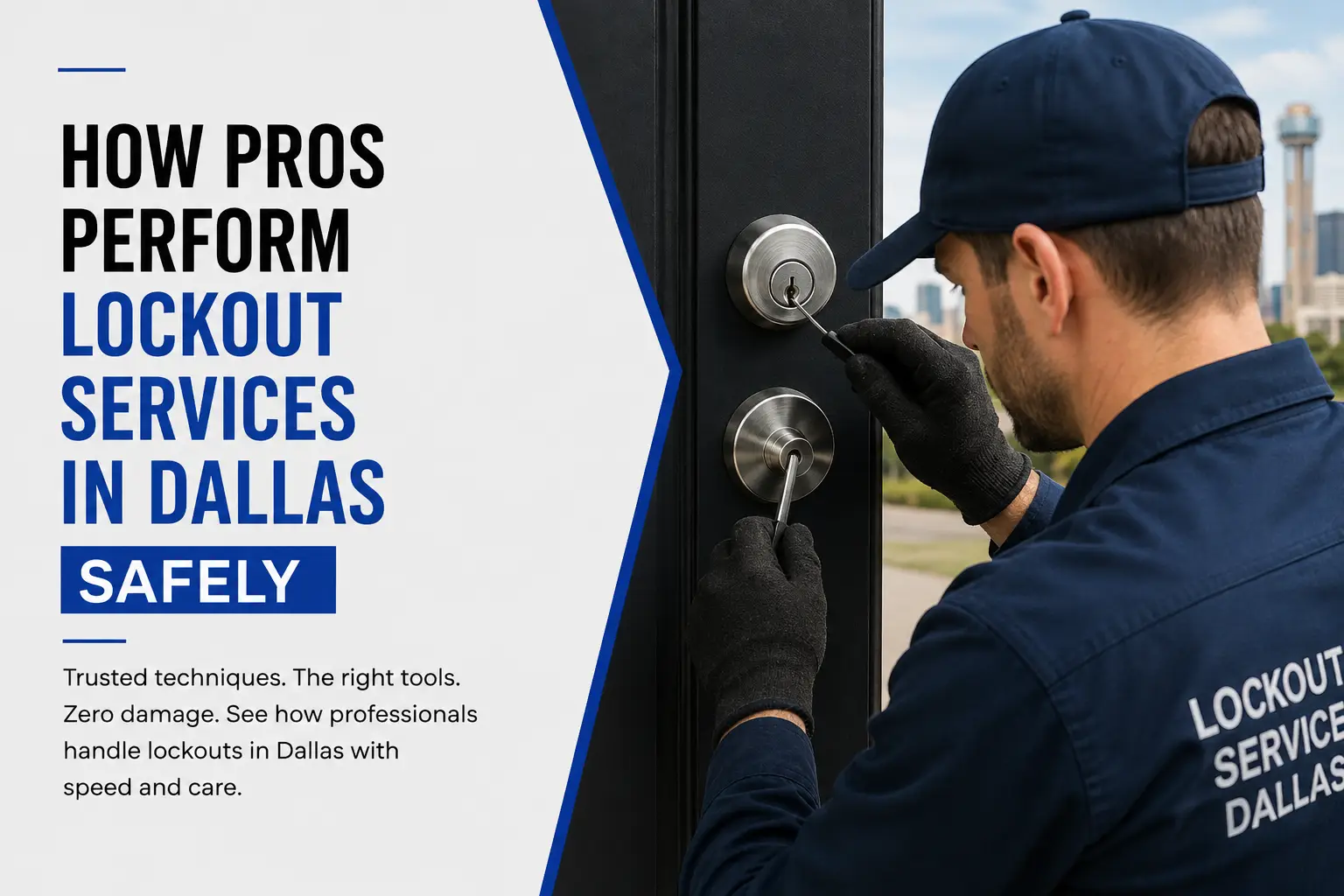
When locked out, renters often turn to online advice. Popular DIY attempts include trying to slip cards between the door and frame, forcing the handle, prying doors, removing hinges, or searching for ways to unlock doors without keys.
Some attempt to manipulate locks using household tools or watch videos claiming quick fixes. These methods may appear harmless, but in apartment settings, they almost always cause visible damage or violate property policies.
Why DIY Apartment Lockout Attempts Fail
DIY entry fails because apartment locks are intentionally designed to resist tampering. Unlike older residential doors, modern apartment locks include reinforced strike plates, deadbolts, and security pins that defeat improvised tools.
More importantly, DIY attempts create evidence of forced entry. Damaged frames, bent hardware, or scratched cylinders are easy for property managers to identify. Many renters don’t realize these damages can result in fines, repair bills, or even eviction notices. The University of Maryland Extension emphasizes that tenants are financially responsible for damages caused by unauthorized entry attempts.
Risks of Using Sprays or Chemicals on Apartment Locks
Some renters spray lubricants, cleaners, or household chemicals into locks hoping to free stuck mechanisms. This is risky. Many products attract dust, gum up internal components, or permanently damage cylinders.
In apartments, chemical misuse can spread residue into shared door hardware, triggering replacement charges for entire lock systems. In fire-rated doors, chemical damage may also violate building safety standards.
Signs Professional Help Is Needed Immediately
Professional service is needed when keys are lost, locks won’t turn, doors auto-lock with keys inside, or the lock feels loose or jammed. If the door protects a shared hallway or emergency exit, delays can create safety risks.
Emergency response prevents damage and protects your lease. In urgent situations, coordinated help with specialists such as emergency locksmith professionals ensures lawful, damage-free access.
Why Choose All American Plumbing During Apartment Emergencies
All American Plumbing works alongside Houston Plumbing Expert when apartment emergencies involve more than just locks. Forced entry attempts often lead to broken doors, damaged pipes, or water exposure from burst fixtures during access attempts.
Our team understands apartment building protocols, emergency coordination, and how to minimize damage. When lockouts escalate into plumbing or safety issues, we respond quickly and responsibly to protect tenants and property managers alike.
FAQs About Apartment Lockouts
Can I legally force my apartment door open?
In most cases, no. Forcing entry usually violates lease agreements and can result in fines, repair charges, or eviction notices. Always seek authorized professional help.
Why do apartments fine tenants after lockouts?
Fines are typically for damage, security violations, or unauthorized entry. Property managers must maintain building safety and control access to shared spaces.
Is calling a professional faster than DIY?
Yes. Professionals use proper tools to open doors quickly without damage, avoiding delays and additional costs caused by failed DIY attempts.
Can DIY lockout attempts affect my security deposit?
Absolutely. Damage to doors, frames, or locks is commonly deducted from deposits, often at higher repair rates.
What should I do first if locked out of my apartment?
Contact building management or authorized emergency services. This protects your lease and ensures safe, lawful access.
Are apartment lockouts considered emergencies?
They can be, especially if access is needed for safety, medical, or utility reasons. Professional help is recommended in these cases.
Don’t Let a Lockout Turn Into a Bigger Problem
Apartment lockouts are stressful, but rushing into DIY solutions often creates bigger issues. Lease violations, fines, and damage are far more expensive than doing it right the first time.
If a lockout is affecting safety, utilities, or access, contact All American Plumbing for guidance and coordinated emergency support that protects both you and the property.
Conclusion
Apartment lockouts might seem like a small inconvenience, but they can quickly turn into a costly problem if handled the wrong way. Many renters try DIY methods—like forcing the door, using cards, or tampering with the lock—thinking it will save time or money. In reality, these attempts often fail and can damage the lock, door frame, or even the building’s security system.
Most lease agreements strictly prohibit unauthorized entry methods, so any damage caused can lead to fines, repair charges, or even warnings from property management. In some cases, repeated violations can escalate into legal issues or risk eviction.