
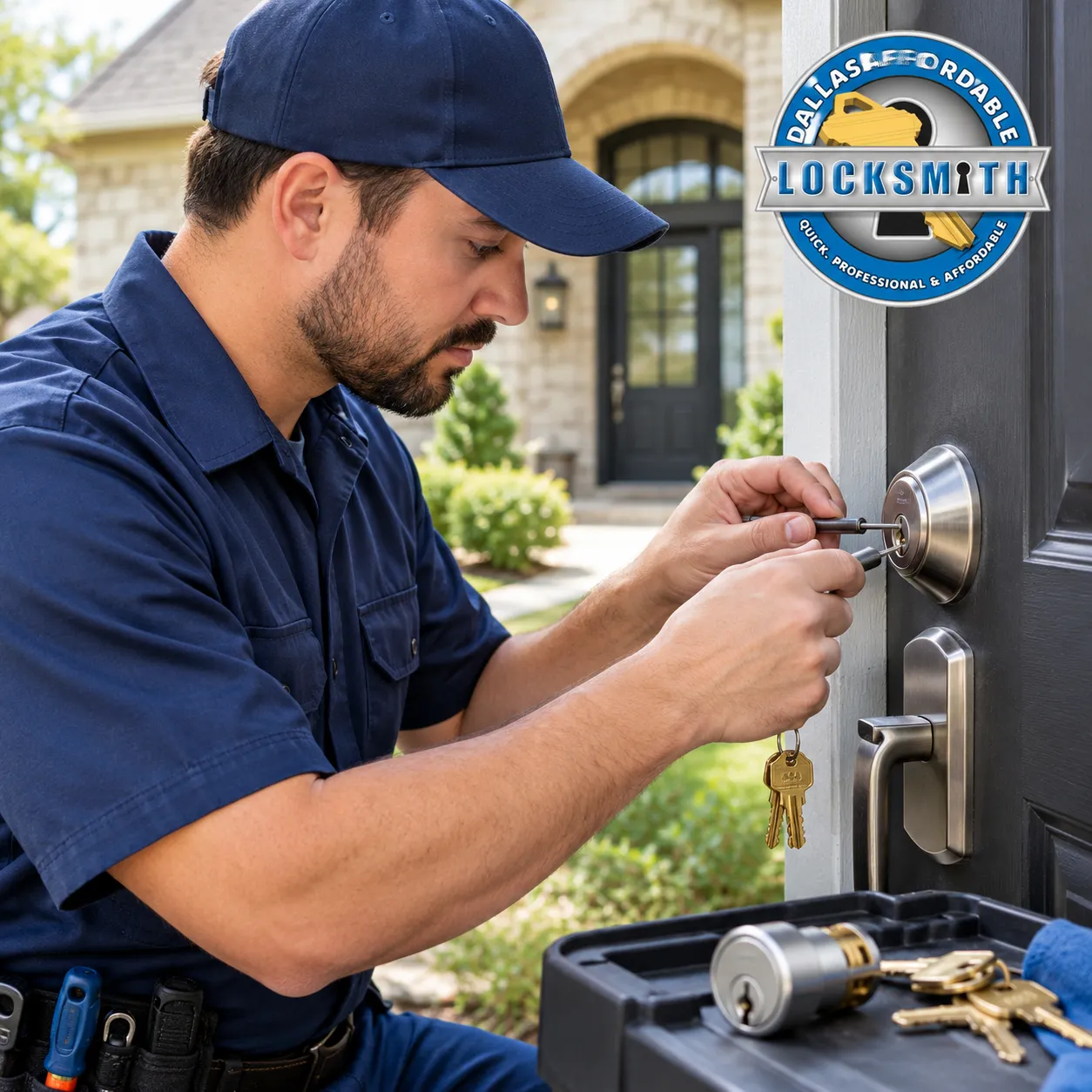

People in Dallas call companies like Dallas Affordable Locksmiths when a key snaps, a car door stays shut, or a shop locks jams at closing time. If that is your situation now, you want a quick fix and a fair price. This guide explains how a locksmith in Dallas works, what common jobs cost, and how to pick a provider you can trust.
Lock trouble rarely arrives at a good moment. Dallas summers bake metal hardware and swell wooden doors, and busy areas such as Uptown, Deep Ellum and Oak Cliff see plenty of rentals and shared entrances. Have you ever wondered what a technician actually does once the van pulls up?
We walk through the full process below, from the first phone call to the new key in your hand. You will see real price ranges, Texas licensing rules and a simple checklist for vetting providers.
Why locals call for help with home, car and business locks
Most calls start the same way. Someone shuts a door with the keys inside, snaps a key in the ignition, or loses a shop key after a staff change. A good locksmith in Dallas arrives with cutting machines, programming tools and spare hardware in the van, so many jobs end in one visit.
Homeowners usually ask for lockouts, rekeying and new deadbolts. Rekeying changes the inner pins so old keys stop working. It makes sense after buying a house or ending a tenancy, and it costs far less than replacing every lock.
Drivers call for lost keys, broken fobs and stuck ignitions. Modern cars use transponder chips, so a hardware store copy often will not start the engine. A mobile technician can cut and program a new key on the spot, which is why car key replacement near Dallas is one of the most requested jobs.
Businesses need different help. Office managers want restricted key systems, so one key opens only the right doors. Shop owners in areas like the Design District often add panic bars and keypad entry for after-hours safety.
Why does this matter? According to the FBI Uniform Crime Reporting Program (2019), 55.7 percent of burglaries involved forcible entry, and 62.8 percent hit residential properties. The same report put the average loss per burglary at $2,661. Solid locks cost very little next to that.
Lock types and key options that suit Texas heat
Not every lock handles a Dallas summer well. Cheap zinc cylinders can stick when temperatures pass 100°F, and wooden doors swell in humid spells. Brass and stainless steel parts hold up better and cost only a little more.
A standard Grade 2 deadbolt suits rentals and secondary doors. Grade 1 deadbolts, rated under the ANSI/BHMA system, resist kicking and drilling far better. Smart locks add keypad or app entry, though batteries and software need attention. Restricted keyway cylinders stop copies being cut at a hardware store kiosk.
Each option has trade-offs. A Grade 1 deadbolt costs more but lasts for decades on a busy front door. A smart lock helps if you host guests or rent a room, yet a dead battery can leave you reaching for a backup key. What matters most to you: price, convenience or raw strength?
Take a typical Lakewood homeowner who buys a 1950s house. The previous owner handed over four keys, and nobody knows who else has copies. Rekeying both exterior doors and fitting one Grade 1 deadbolt on the back door usually settles the question in about an hour.
A licensed Dallas locksmith summed it up this way: most break-ins happen at the door that looks weakest, so fix the cheap weak point first. The table below compares common options. Prices are typical ranges and vary by brand and visit time.
| Option | Typical cost (installed) | Security level | Best for | Upkeep |
| Grade 2 deadbolt | 60–150 | Moderate | Rentals, side doors | Low |
| Grade 1 deadbolt | 100–250 | High | Front and back doors | Low |
| Smart deadbolt | 200–450 | Moderate to high | Hosts, busy households | Batteries, updates |
| Restricted keyway cylinder | 150–400 | High | Offices, landlords | Low |
| Rekey of existing lock | 20–50 per lock | Resets key control | New homes, move-ins | None |
How a call-out works and what it costs
Step by step: what a technician does
Wondering what happens after you phone an emergency locksmith? The process is simple when the company is legitimate.
- You describe the problem and the lock type, and the dispatcher gives a price range and arrival time.
- The technician checks your ID and proof that you own or rent the property or vehicle.
- They inspect the lock and try a non-destructive method first, such as picking or bypassing.
- If the lock is damaged, they drill it out or replace it and cut new keys.
- You test the lock, review the invoice and receive your keys and a receipt.
Texas law backs the ID check. Chapter 1702 of the Texas Occupations Code requires locksmith companies to hold a license from the Department of Public Safety, and it sets rules for customer authorization before certain jobs. No technician should start work until you have seen their license details.
Cost factors you can expect
How much should you expect to pay a locksmith in Dallas? A home lockout often runs $75 to $150 in daytime hours. Night, weekend and holiday calls can add $50 to $100. A new transponder car key usually costs $150 to $400, depending on the make. Rekeying starts around $20 to $50 per cylinder after the call-out fee.
Time of day, vehicle make, lock grade and travel distance drive most of the price. Ask for a total quote that covers parts, labour and the service fee before work begins. Treat an ad promising a $15 service call with caution, because those prices often balloon on arrival.
Choosing a licensed provider near you
Online ads look alike, so how do you tell a real local from a call centre? Start with proof you can check. A trustworthy provider shows the following:
- A Texas locksmith company license number you can verify
- A local address and phone number, not only a call-centre line
- A marked vehicle and a technician who carries ID
- A written quote covering the call-out fee, labour and parts
- Reviews that mention specific jobs and neighbourhoods
A company that focuses on lock work in the Dallas area, like Dallas Affordable Locksmiths, handles local lockouts, rekeys and car keys as routine work. That focus tends to mean familiarity with the lock brands found in older Dallas homes and with how heat affects hardware. A general handyman or a national chain dispatching a stranger may need a second visit to finish the same job.
Local fit matters for business owners too. A commercial locksmith should be able to service door closers, panic bars and restricted key systems, and offer after-hours calls so your shop reopens quickly. For homes, look for a 24 hour emergency locksmith service across Dallas that gives an honest arrival time rather than a vague promise.
Frequently asked questions
How much does a locksmith in Dallas charge for a house lockout?
Most daytime house lockouts in Dallas cost between $75 and $150. Evenings, weekends and holidays add a surcharge, often $50 to $100. Ask for a total quote by phone, including the service fee, before the technician leaves for your address.
How much does car key replacement near Dallas cost?
A basic cut key costs under $50, but transponder and smart keys run $150 to $400 or more, depending on the make and year. Luxury brands cost the most. A mobile technician usually charges less than a dealership and comes to you.
Do locksmiths in Texas need a license?
Yes. Texas Occupations Code Chapter 1702 requires locksmith companies to hold a license from the Department of Public Safety. Ask for the license number and check it before work starts. Unlicensed operators have no accountability if a job goes wrong.
How long does a lockout take?
Most home and car lockouts take 15 to 30 minutes once the technician arrives. Arrival times in Dallas depend on traffic and distance, so ask for an honest estimate when you call. Complex or high-security locks can take longer.
Can a locksmith open my car without damaging it?
Usually yes. Trained technicians use air wedges and long-reach tools that leave paint and door seals intact. They will check your ID and proof of ownership first. Newer cars with side airbags in the door need extra care.
Is rekeying cheaper than replacing locks?
Yes. Rekeying usually costs $20 to $50 per lock, while new hardware starts around $60 and climbs for Grade 1 or smart models. Rekey if the locks still work well and you only need to cancel old keys.
Do Dallas summers damage locks?
Heat and humidity can warp wooden doors and make cheap zinc parts stick. Brass or stainless steel hardware lasts longer, and a little dry graphite lubricant once a year keeps cylinders turning. Avoid oil-based sprays, which attract dust.
Where can I find a rekey service in Oak Cliff or Uptown?
Search for companies that list a local address, a Texas locksmith company license number and clear pricing. Call two providers and compare quotes. Neighbourhood names in reviews, such as Oak Cliff or Uptown, hint that the company truly serves the area.
What does a commercial locksmith do for a business?
A commercial locksmith installs and services door closers, panic bars, keypad entry and restricted key systems. They change locks after staff turnover and keep a record of who holds which key. Many offer after-hours calls so your shop reopens quickly.
Should I call a locksmith or the police if I am locked out?
Call a locksmith for a normal lockout. Call 911 if a child, pet or person is trapped inside or in danger. Keep ID handy, because a legitimate technician will ask you to prove you live at the address.
Your next step depends on the problem in front of you. If you are locked out, call a licensed provider, ask for a total quote and have your ID ready. If you are planning ahead, book a rekey or a Grade 1 deadbolt before trouble starts. Reach out to Dallas Affordable Locksmiths for a quote, or ask about lock options for your property. Good locks cost little next to a break-in, and a clear quote keeps surprises away. Ask questions, and choose the provider who answers them plainly.