
Most locks do not fail all at once. They send small warnings first, and those warnings are easy to ignore. A team like Dallas Affordable Locksmith sees the same pattern every week across Dallas homes, and most repairs cost far less when caught early. A key that needs a jiggle today can turn into a lockout next month.
This guide covers the clearest signs your Dallas home needs a residential locksmith. You will see what each warning means, which fix suits which problem, and what a visit looks like. We share rough prices too, plus tips for picking someone you can trust with your keys. Is your front door already giving you hints?
We wrote this for homeowners and renters across Dallas, from older bungalows near Lakewood to newer builds in Lake Highlands. Even if your locks seem fine today, a quick read could save you a late-night call.
Warning signs your locks are failing
Locks wear out slowly, so the clues are easy to miss. Here are five early signs your Dallas home needs a residential locksmith:
- The key sticks, bends, or needs a jiggle to turn.
- The deadbolt will not line up with the strike plate, or the door sags in its frame.
- You have lost a key, or you do not know who still holds copies.
- You see scratches, loose screws, or a bent latch after a break-in attempt.
- The knob wobbles, the keypad lags, or the hardware dates back to the original build.
Why does the door sag? Dallas sits on expansive clay soil that swells when wet and shrinks in dry summers. That movement can shift a door frame by a few millimeters. A deadbolt that once slid in smoothly now catches the edge of the plate.
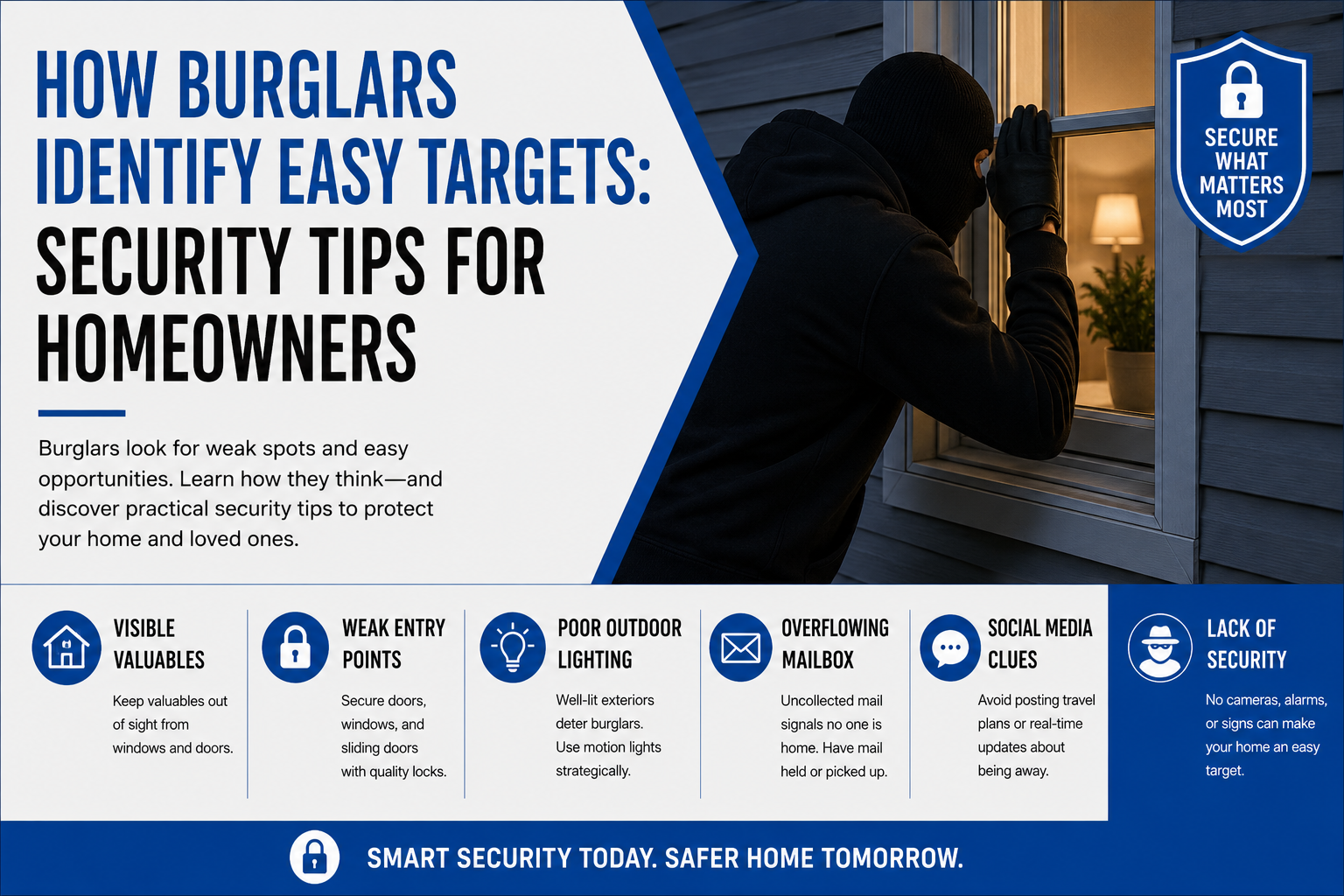
According to the FBI’s Crime in the United States report (2019), 55.7 percent of burglaries involved forcible entry. Homes made up 62.8 percent of all burglary offenses, and the average loss was $2,661. A worn lock or a loose strike plate gives a thief an easy start.
Can’t tell if the lock or the door is the problem? A technician can usually tell in minutes by testing the latch, the strike plate, and the key pins.
Rekey, replace or upgrade your locks
Not every warning sign calls for new hardware. Sometimes a cheaper fix does the job, and a good technician will tell you so. Here is how the main options stack up for a Dallas home.
Lock rekeying changes the pins inside your existing cylinder so old keys stop working. It costs little and fits best after a move, a breakup, or a lost key. You can read more on our lock rekeying service page.
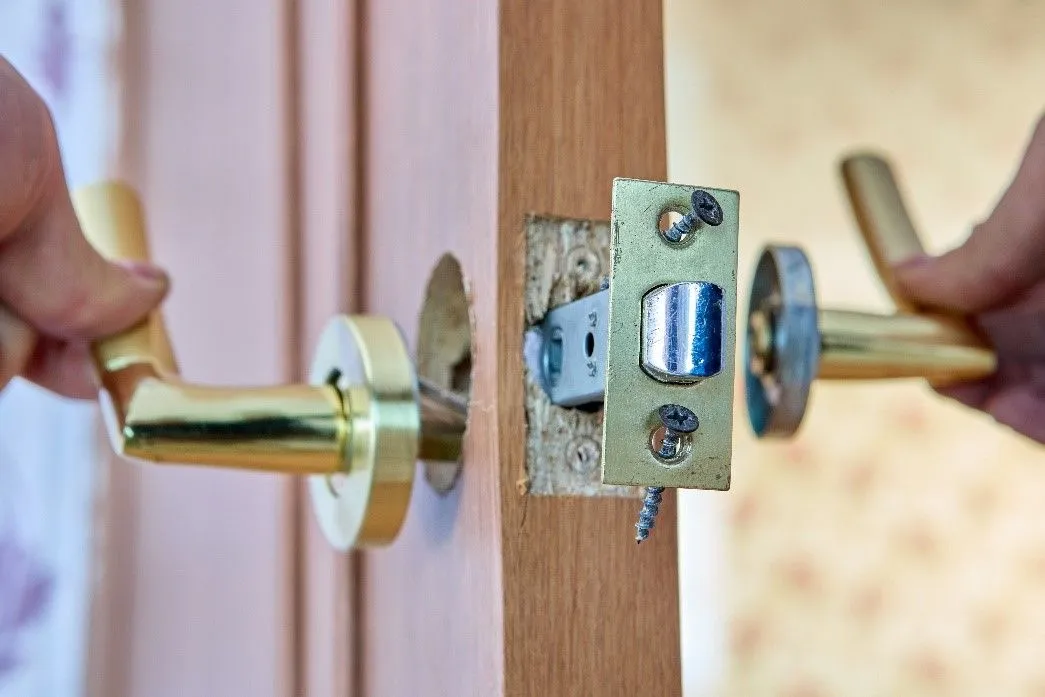
Deadbolt installation adds a solid steel bolt to a door that only has a spring latch. Look for ANSI/BHMA Grade 1 or Grade 2 on the box. Grade 1 handles the most abuse, and Grade 2 suits most homes.
High-security locks resist picking, drilling, and key copying. Many use restricted keys that only the owner can duplicate. They suit homes with valuables, home offices, or a history of break-ins.
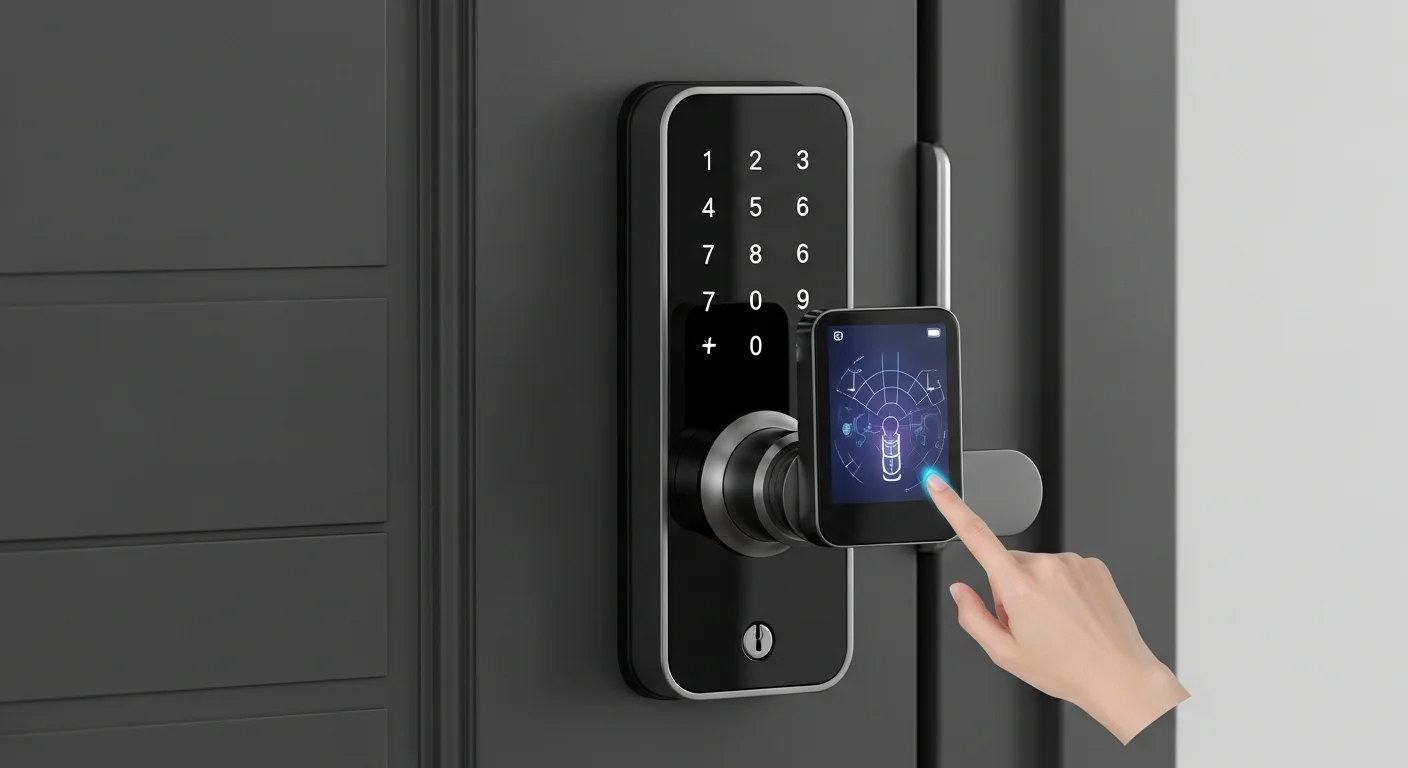
Smart lock installation lets you open the door with a code or a phone. It works well for rentals, guests, and dog walkers. Heat can drain batteries faster on a west-facing door, so pick a model with a low-battery alert.
| Option | Typical cost | Best for | Upkeep |
| Lock rekeying | $20 to $50 per lock | Lost keys, new move-ins | None |
| Standard deadbolt | $100 to $250 installed | Worn or loose locks | Low |
| High-security lock | $200 to $450 installed | Break-in concerns | Low |
| Smart lock | $150 to $400 installed | Shared access, rentals | Batteries, updates |
What happens during a lock service visit
A good visit follows a clear order, so you know what comes next. Most calls run like this:
- You call, describe the problem, and get a price range.
- The technician arrives, shows ID, and checks the door, frame, and locks.
- You get a written quote before any work starts.
- The work happens, such as rekeying cylinders, fitting a deadbolt, or aligning a strike plate.
- The technician tests every lock and key, then hands over new keys and a receipt.
A licensed locksmith in Dallas will tell you that most lockouts start with a lock that acted up for weeks. A residential locksmith can fix that pattern in one visit. If you are already locked out at night, call for emergency lockout service instead of forcing the door. Forced entry can bend the frame and double your bill.
Take a family that bought a 1960s home in Lakewood. The back door key worked only after a jiggle, and nobody knew how many copies existed. A technician rekeyed all four locks, replaced the worn back-door cylinder, and added a deadbolt to the garage entry. The job took under two hours.
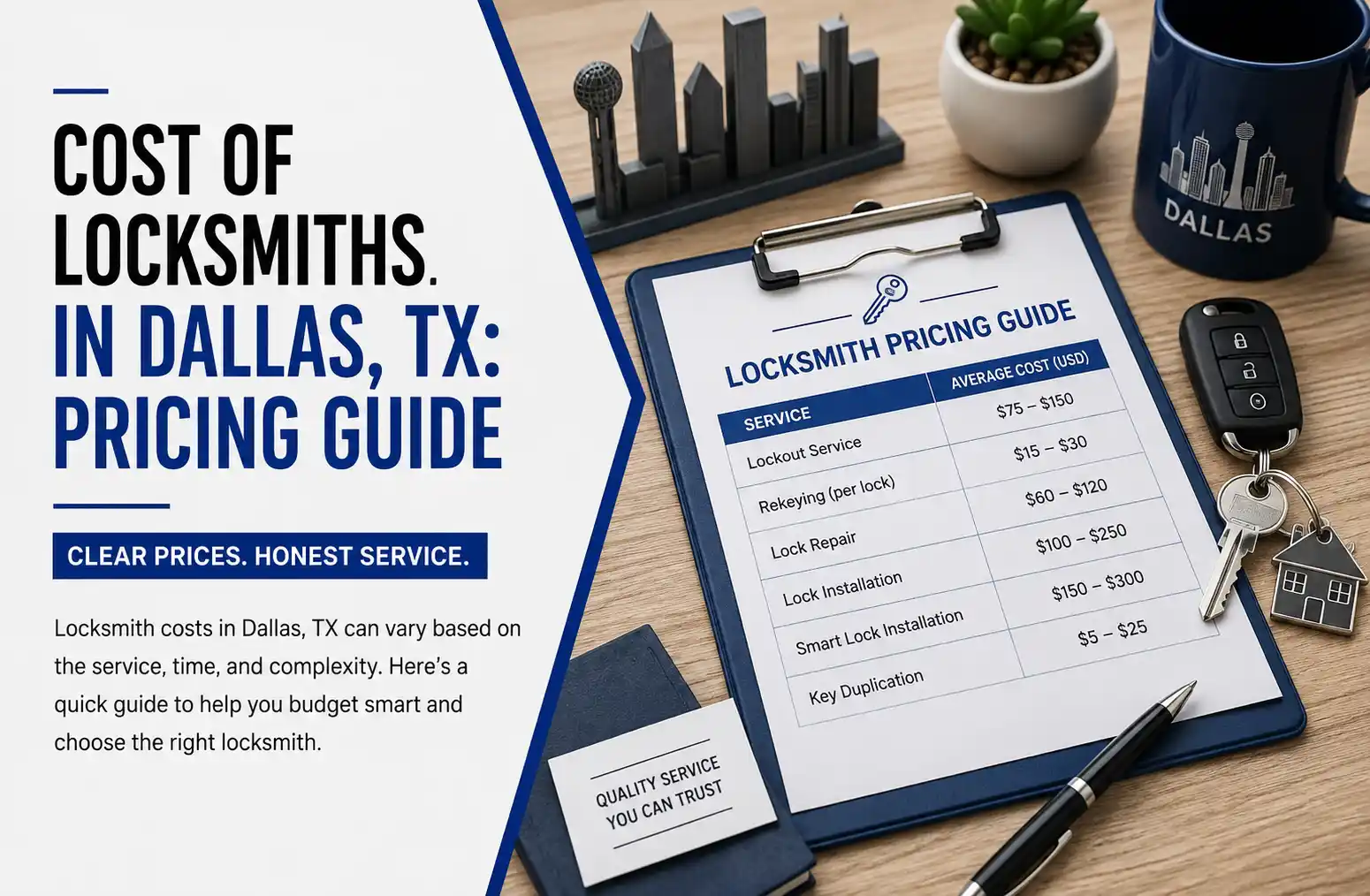
Typical costs for lock service in Dallas
Prices vary, but a few factors drive most quotes. Lock grade and brand come first, since a basic Grade 2 deadbolt costs far less than a Grade 1 high-security model. The number of locks matters too, because rekeying a whole house in one visit usually costs less per lock. After-hours calls often carry a surcharge.
Expect roughly $20 to $50 per lock for rekeying, $100 to $250 for a standard deadbolt installation, and $150 to $400 for smart lock installation. Many companies add a service fee, often $40 to $100. Ask for the total before work starts.
If you keep paying for small fixes on the same lock, that is one of the clear signs your Dallas home needs a residential locksmith. Replacing the lock once often costs less than three repair visits.
Renters and landlords have rules to follow. Chapter 92 of the Texas Property Code requires landlords to provide keyed deadbolts on exterior doors and to rekey locks within seven days after a tenant moves out. Check your lease before changing any locks yourself.
How to choose a local locksmith
Choosing the right person matters more than finding the lowest quote. Treat a residential locksmith like any contractor who works inside your home. Fake local listings and surprise fees are common enough that consumer agencies warn about them. Use this checklist:
- Ask for a Texas license number and proof of insurance.
- Get the quote in writing before work starts.
- Check that the company has a real Dallas address and phone number.
- Look for a marked vehicle and photo ID on arrival.
- Read recent reviews from nearby neighborhoods.
- Ask about a warranty on parts and labor.
A contractor who focuses on home locks in Dallas, like Dallas Affordable Locksmith, will have handled older Dallas hardware and local rental rules. That focus matters. A general handyman may fit a lock but skip the grade rating, and a national call center may send whoever is closest. A licensed, insured local locksmith can answer questions about grades and key control on the spot.
Conclusion
The signs your Dallas home needs a residential locksmith are usually small: a sticky key, a loose knob, a door that rubs. Fix them early and you save money and stress. If you want a straight answer on your own locks, reach out to Dallas Affordable Locksmith through the contact us page for a free quote. A short visit can tell you whether a rekey, a new deadbolt, or no change at all makes sense.
Frequently asked questions
What are the signs your Dallas home needs a residential locksmith?
Look for sticking keys, doors that rub or sag, lost or unaccounted keys, loose knobs, and damage after a break-in attempt. Old hardware with no deadbolt is another sign. Any one of these is reason enough to book a check.
How much does a residential locksmith cost in Dallas?
Most visits combine a service fee, often $40 to $100, with parts and labor. Rekeying runs about $20 to $50 per lock, and a deadbolt installation is often $100 to $250. Ask for a written total before work begins.
Is it cheaper to rekey or replace a lock?
Rekeying is usually cheaper because you keep the same hardware. Replace the lock when it is worn, loose, or low grade. A new Grade 1 or Grade 2 deadbolt costs more up front but lasts longer and resists force better.
Do I need a permit to change locks in Dallas, TX?
Replacing or rekeying locks normally needs no city permit. Historic districts and HOAs may limit visible changes to front doors, so check their rules first. Landlords must follow Chapter 92 of the Texas Property Code on rekeying and security devices.
How fast can an emergency locksmith in Dallas reach my home?
Arrival depends on traffic, time of day, and your neighborhood. Many companies quote 30 to 60 minutes inside the city. Call the company directly and ask for a clear arrival window instead of a vague “soon.”