
Understanding lock grades and security ratings is one of the most important steps in improving property protection. Whether you are securing a home, office, or commercial facility, the type of door lock you choose determines your actual level of protection. At Dallas Affordable Locksmiths, we regularly see property owners underestimate how much difference proper door hardware and certified security grade systems make in real-world break-in resistance.
Modern lock systems are not all created equal. They are tested under strict test requirements defined by organizations like ANSI BHMA, which evaluate durability, strength, and resistance through weight tests, torque resistance, and repeated usage cycles. These door lock standards ensure every certified lock meets a verified level of security before reaching the market.
What Causes Lock Security Differences?
The biggest factor behind lock ratings is how well a lock performs under stress. Materials, internal cylinder design, and installation quality all contribute to performance. High-quality mortise locks and advanced tubular locks often provide better resistance compared to basic residential locks. In contrast, poorly manufactured locks fail early under forced entry attempts or heavy daily use.
Security standards such as ANSI lock grades and BHMA standards categorize locks based on durability and security performance. For example, a grade 2 door lock is commonly used in commercial environments, while premium systems aim for the highest level of protection available in the industry.
DIY Methods for Choosing a Lock (Educational Overview)
Some homeowners attempt to handle lock identification themselves by comparing packaging labels, brand ratings, and visible build quality. Basic DIY evaluation includes checking strike plate thickness, cylinder material, and whether the lock is labeled with an ANSI rating. Many also compare ansi grade classifications before purchasing hardware.
A common approach is selecting locks labeled ANSI Grade 1, Grade 2, or ANSI Grade 3, where Grade 1 represents commercial-grade durability and Grade 3 represents standard residential use. However, understanding real-world performance requires more than reading labels—it requires experience with installation environments and forced-entry behavior.
For homeowners upgrading security systems, reviewing home security tips can help identify where lock upgrades are most needed.
Why DIY Lock Selection Often Fails
DIY lock selection frequently fails because most buyers focus only on appearance or price rather than certified security grade performance. A lock may look solid but still fail under pressure if it does not meet strict ANSI BHMA testing requirements. Without understanding how locks perform under forced entry simulations, homeowners often install weak entry points unknowingly.
Another issue is incorrect lock identification. Many people confuse decorative hardware with high-security systems. In reality, true high-security locks are engineered for specific commercial applications and tested for long-term endurance, not just aesthetic appeal.
Risks of Low-Grade Lock Systems
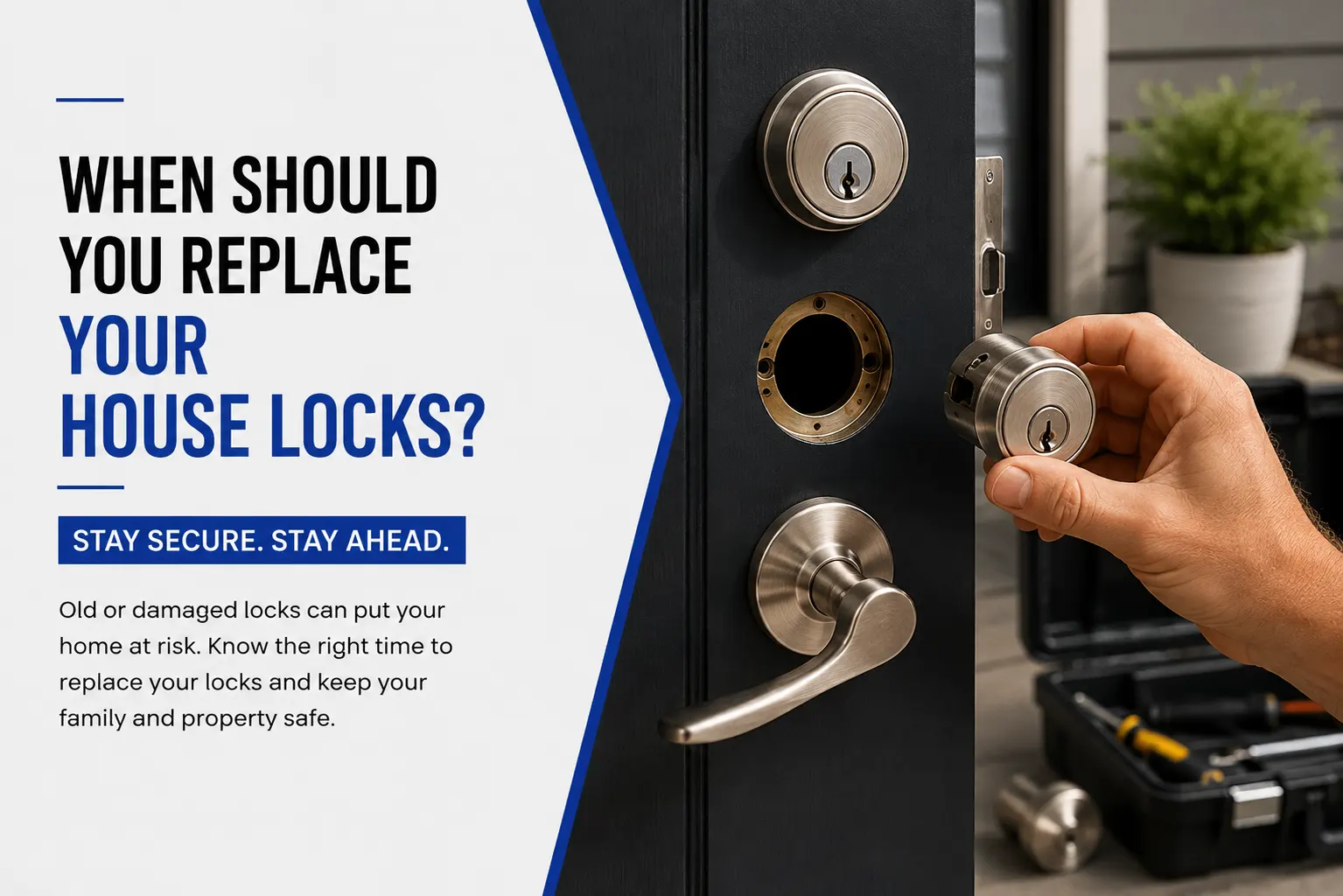
Low-grade locks can create serious vulnerabilities in both residential and commercial properties. Poor-quality locks may fail under simple mechanical force, leaving doors exposed. In many cases, outdated systems do not meet modern door lock standards, making them easy targets for forced entry.
When combined with weak frames or misaligned doors, even slightly compromised locks can significantly reduce your overall level of protection. That is why professional evaluation is essential before upgrading or replacing hardware.
Learn more about improving security with home security upgrades.
Signs You Need a Professional Locksmith
- Your lock sticks or requires force to turn
- Keys break or wear out frequently
- The door does not align properly with the frame
- You are unsure about your current security grade
- You recently moved into a new property
If any of these issues are present, it may be time for a professional inspection. A trained technician from Dallas Affordable Locksmiths can evaluate your system and recommend the correct upgrade based on lock grades and usage requirements.
For urgent cases, explore emergency locksmith help.
Why Choose Dallas Affordable Locksmiths?
At Dallas Affordable Locksmiths, we specialize in evaluating and upgrading all types of door hardware, from residential entry systems to advanced commercial locking mechanisms. Our team understands ansi lock grades, mortise locks, and modern access control systems used in both homes and businesses.
We do not just replace locks we assess your full security environment. From weak entry points to outdated cylinders, we identify gaps that reduce your overall level of security and recommend durable, code-compliant solutions.
Explore our professional services: Locksmith Services
Understanding ANSI Lock Grades and Security Ratings
The ANSI grade system is the industry standard for measuring lock performance. It evaluates durability, strength, and resistance under repeated use. A higher grade means better protection, especially in high-traffic or high-risk environments.
For example:
- ANSI Grade 1: Highest level of commercial security
- ANSI Grade 2: Strong residential and light commercial use
- ANSI Grade 3: Basic residential protection
These ratings are tested using strict test requirements, including torque resistance and durability cycles. Standards are maintained under ANSI/ISEA guidelines and BHMA certification programs that ensure consistency across manufacturers.
Reference: NIST Security Standards
Professional organizations such as ANSI Standards define how these locks are tested and certified for safety and durability.
FAQs Understanding Lock Grades and Security Ratings
What are lock grades?
Lock grades are standardized ratings that measure a lock’s durability, strength, and resistance to forced entry. They are defined by ANSI and BHMA testing procedures, helping homeowners and businesses choose the right security level for their doors and environments.
What is ANSI lock grade?
ANSI lock grade refers to a classification system that evaluates locks based on performance, durability, and security strength. It includes Grade 1, 2, and 3 ratings, with Grade 1 offering the highest commercial-grade protection against forced entry and wear.
How is lock identification done?
Lock identification involves checking manufacturer labels, ANSI ratings, and physical design features such as cylinder type and material strength. Professionals also assess installation type, including mortise or tubular locks, to determine security capability and compatibility.
What are door lock standards?
Door lock standards are industry guidelines that define how locks are tested for safety and performance. These include ANSI BHMA certifications, ensuring locks meet minimum requirements for durability, security resistance, and long-term functionality under stress conditions.
Is ANSI Grade 3 secure enough?
ANSI Grade 3 locks provide basic residential security but are not ideal for high-risk environments. They are suitable for interior doors or low-risk areas, but higher grades are recommended for exterior doors or properties requiring stronger protection.
What does security grade mean?
Security grade refers to the tested strength and durability level of a lock. It indicates how well a lock performs under forced entry attempts, repeated usage, and environmental stress, helping users select appropriate protection levels.
What type of lock is best for high security?
High-security environments typically use Grade 1 mortise locks or advanced commercial locking systems. These provide maximum resistance, durability, and compatibility with modern access control systems for enhanced protection.
Professional Lock Upgrade Services
Upgrading your locks is not just about replacing hardware it is about improving your entire security system. If your property still uses outdated or uncertified locks, you may be exposed to unnecessary risk. Professional evaluation ensures your system meets current door lock standards and delivers the correct level of protection.
Get expert help today with local locksmith service or schedule a full security inspection through Dallas Affordable Locksmiths.
Conclusion
Understanding lock grades and security ratings is essential for choosing the right protection for your property. From ANSI lock grades to BHMA-certified systems, every detail impacts your real-world security. If you’re unsure whether your current system meets proper standards, a professional evaluation can make all the difference in preventing future risks.
When it comes to improving your level of security, expert installation and proper lock selection matter more than guesswork. Contact Dallas Affordable Locksmiths for a professional assessment and reliable upgrade options tailored to your property’s needs.